HVAC Controls · Open Protocol Monitoring · Central Indiana

See what your HVAC equipment is doing before deciding what to upgrade.

Clark & Soma assesses, documents, and visualizes building controls so owners can see equipment status, alarms, schedules, and system behavior without being trapped by one vendor.

Start with a fixed-scope controls assessment. Monitoring and service plans are scoped separately after the site is documented.

JACE-1SUPERVISORY CONTROLLERONLINEPROTOCOLBACnet/IPModbus TCP · LonWorksDEVICES14 / 162 offlineALARMS1 activeVAV-203 zoneSCHEDULEOCCUPIEDUNTIL 18:00SAMPLE · NOT LIVEEQUIPMENT TOPOLOGYJACEBUSRTU-1RTU-2AHU-02VAV-203BLRCHWSUPPLY AIRALARM TRACEIDLE BRANCHTELEMETRY · AHU-02SUPPLY AIR TEMP58.1°FSETPOINT 55.0°FFAN SPEED CMD82%VFD · MODULATINGRUNTIME1,847 hSINCE LAST RESETFILTER ΔP 0.42″OCCUPIEDCOOLINGECON ACTIVESAMPLE TELEMETRY
Sample BAS overview · Open protocol monitoring
Site visit
2–6 hrs
On-site assessment and walkthrough
Written report
~5 business days
Findings, control observations, and scoped next steps
Protocols
BACnet/IP · Modbus TCP · LonWorks
Vendor-neutral review and documentation
Service area
Central Indiana
Indianapolis metro and surrounding areas
Equipment Graphics Preview

Readable equipment views, built around your system.

Representative BMS-style graphics show how equipment status, alarms, and operating points can be organized into a front end that owners and operators can actually use.

Sample equipment views
Simulated data · Not live
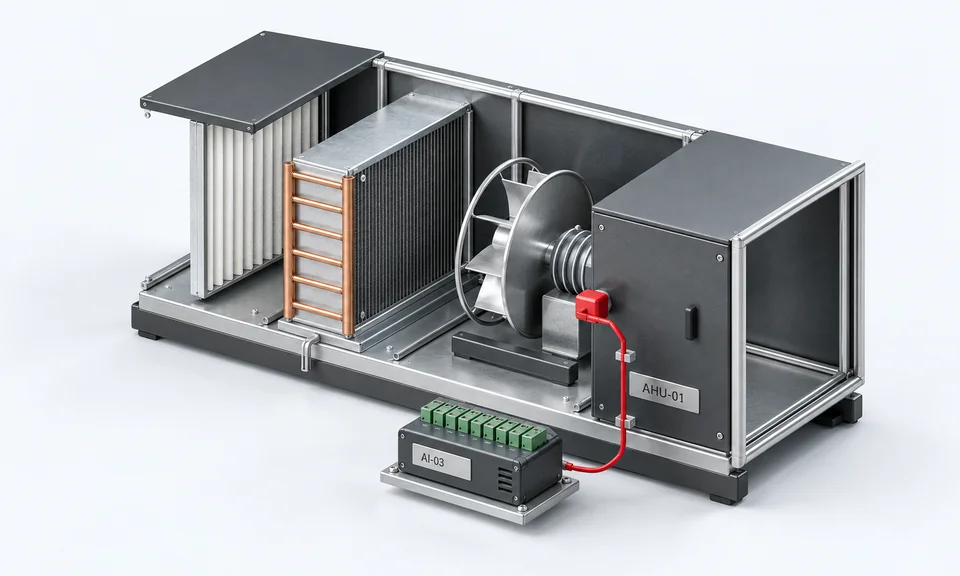
AHU-02 · Rooftop air handler
NormalSample preview12,000 cfm
OAFILTERCHW COILACCESSSF-1
SAT58.1°F
VFD82%
FILT Δp0.42″
VAV-203 · Zone 3 terminal
AlarmSample previewMAC 12
PRIMARYDMP 78%RHCZONE 74.2°↑VAV BOX · 800 cfm
ZONE74.2°F
DAMPER78%
CFM820

Representative sample graphics. Live points, floor plans, and equipment views are scoped per project.

Explore the interactive demo
What you get

Controls visibility owners can actually use.

Most buildings already have useful data buried inside controllers, schedules, alarms, and vendor tools. Clark & Soma organizes that information into a clearer operational picture.

Visibility into your controls

See equipment status, alarms, schedules, zone conditions, and system behavior in one readable view.

Documentation owners can use

Point lists, sequences, controller notes, credentials, and findings organized for future service or upgrades.

Open-protocol clarity

BACnet/IP, Modbus TCP, and LonWorks visibility that reduces black-box dependence and avoids unnecessary replacement.

Included with every engagement
  • Custom floor plans with zone status
  • Equipment point lists and field notes
  • Sequences of operation, documented
  • Energy and runtime reporting
  • Open-protocol context and credentials in the owner’s name
  • Multi-site portfolio rollup
  • Graphics and dashboard documentation
  • Scoped recommendations for future phases
Document · Improve · Upgrade

See the system before changing it.

Document what exists, improve what can be reused, and upgrade only what actually needs replacing. Every engagement follows the same basic path, whether it is one rooftop unit or a portfolio of buildings.

  1. 01Discovery

    Intake call

    A short call to confirm building type, equipment, and the comfort or runtime issue driving the request.

    ~30 min · No cost
  2. 02Assessment

    Controls Health Check

    We walk the property, point-map the controls, and document what is programmed versus what is actually running.

    Site visit · Defined scope
  3. 03Findings

    Written report

    Findings, priorities, and scoped proposals. You decide what to act on. No obligation to proceed.

    Inside 5 business days
  4. 04Scope Alignment

    Phased proposal

    Open-protocol retrofit, integration, and dashboard work, costed per phase before approval. Confirmed in writing before each phase.

    Per phase · Approved before work starts
  5. 05Handoff

    Documentation handoff

    Complete equipment lists (what is connected), control narratives (how each device responds), credentials, and as-builts. Open standards — so any qualified technician can pick it up.

    Owner-held credentials
Why visibility comes first

Do not replace what you have not documented.

Controls problems are often visibility problems first. Before spending money on major upgrades, owners need to know what is connected, what is working, what is alarming, and what is being overridden.

  • Catch problems earlier

    See abnormal temperatures, failed equipment, schedule drift, and active alarms before they become tenant complaints.

  • Reduce unnecessary replacement

    Separate programming, sensor, schedule, and visibility problems from equipment that actually needs replacement.

  • Coordinate vendors better

    Give owners, operators, and service contractors the same documented view of the system.

  • Keep control of your data

    Open-protocol documentation and owner-held credentials reduce long-term dependence on one vendor.

Who we serve

Built for these buildings.

Most engagements are problem-driven. Each audience below is an actual recurring request and the response we typically scope.

  • 01

    Retail Centers

    When tenant comfort complaints arrive without a clear root cause, we identify the source, fix the programming, and deliver a written report.

  • 02

    Restaurants & Food Service

    When kitchen and dining temps drift during peak hours, we tune schedules and setpoints so they hold through lunch and dinner.

  • 03

    Strip Malls & Small Retail

    When you have no visibility into how units are running across tenants, we connect them to one dashboard so drift is caught before tenants notice.

  • 04

    Office & Light Commercial

    When your system runs at 2 AM when it shouldn’t, we enforce schedules and log every override, so wasted runtime stops.

The approach behind the dashboard

We don’t rip out what’s working. We make it visible.

Most buildings we walk into already have a controls system. It’s just buried. Disconnected controllers, orphaned sensors, a login nobody remembers. The equipment works. The visibility doesn’t. We fix that without starting over.

We integrate into your existing infrastructure and build a front-end that makes sense to the person running the building. No black-box middleware. No annual fee to read your own data.

We document what we build. When the project ends, you own the system, not a service contract.
Next step

Start with a clear picture of the system.

A fixed-scope controls review documents what exists, identifies what is missing, and frames the next practical step. No obligation past the report.

Discuss a system review